AP teachers
“Replace the 35-page PDF reading with six pages your students will actually do on the train.”
Calculus, Bio, Physics, US History — all covered.
ComicLearn is an open-source AI learning studio for teachers. Drop in any lesson — an AP chapter, a homework PDF, a topic in your head — and get back a six-page manga your students will actually finish reading.
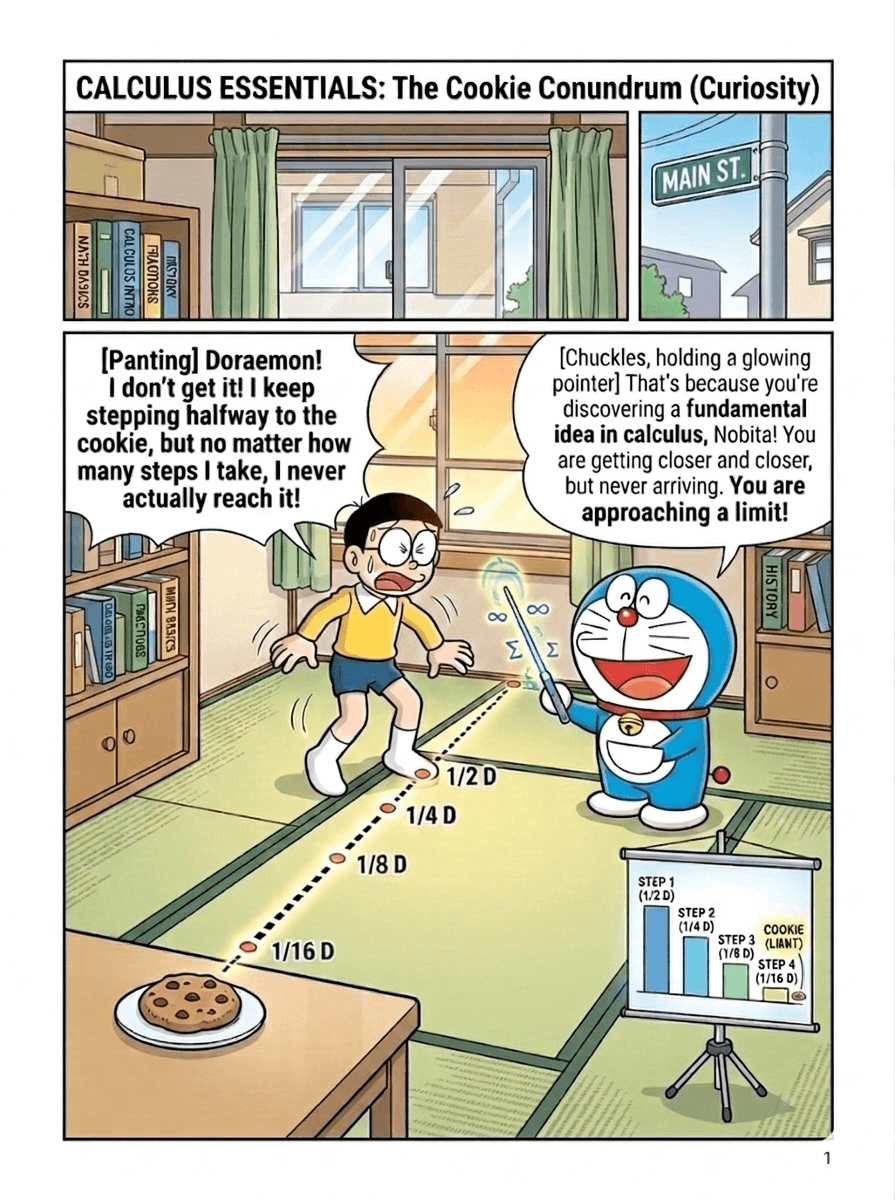
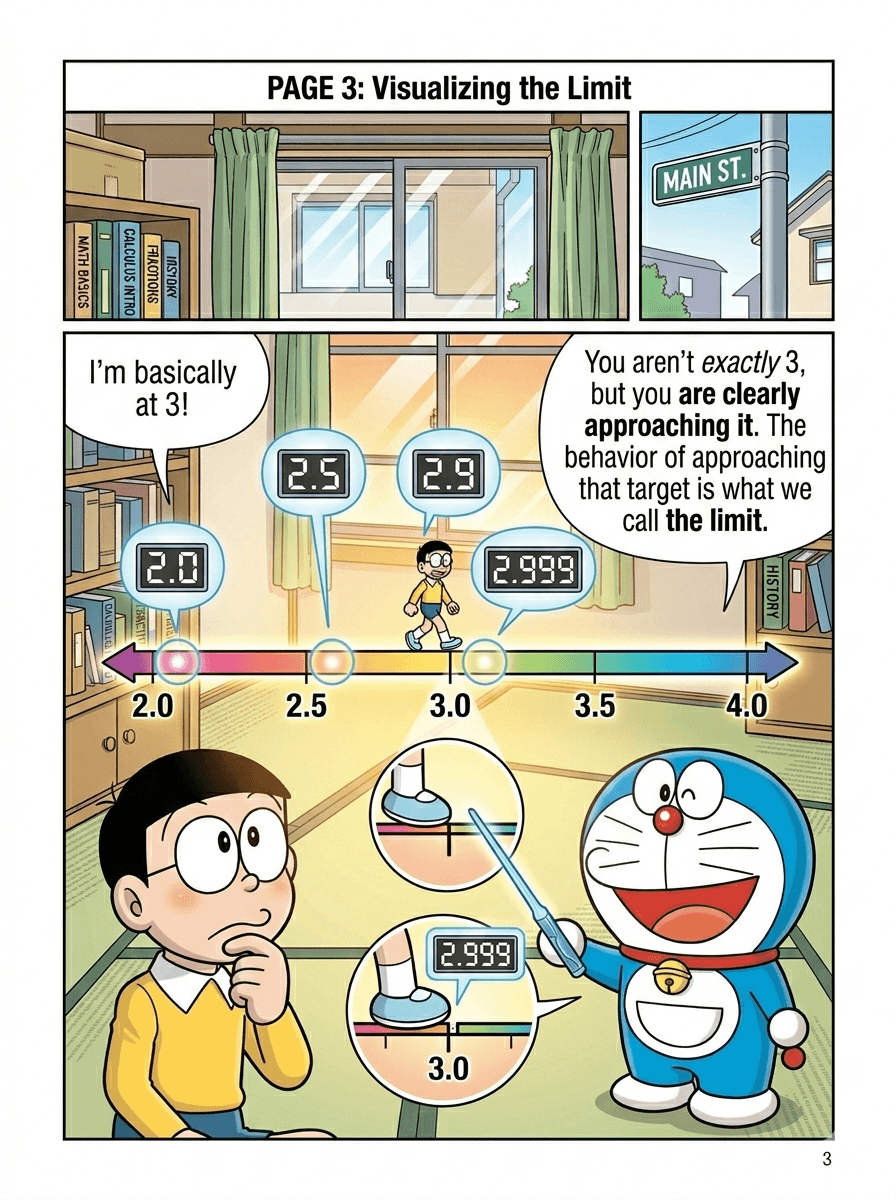
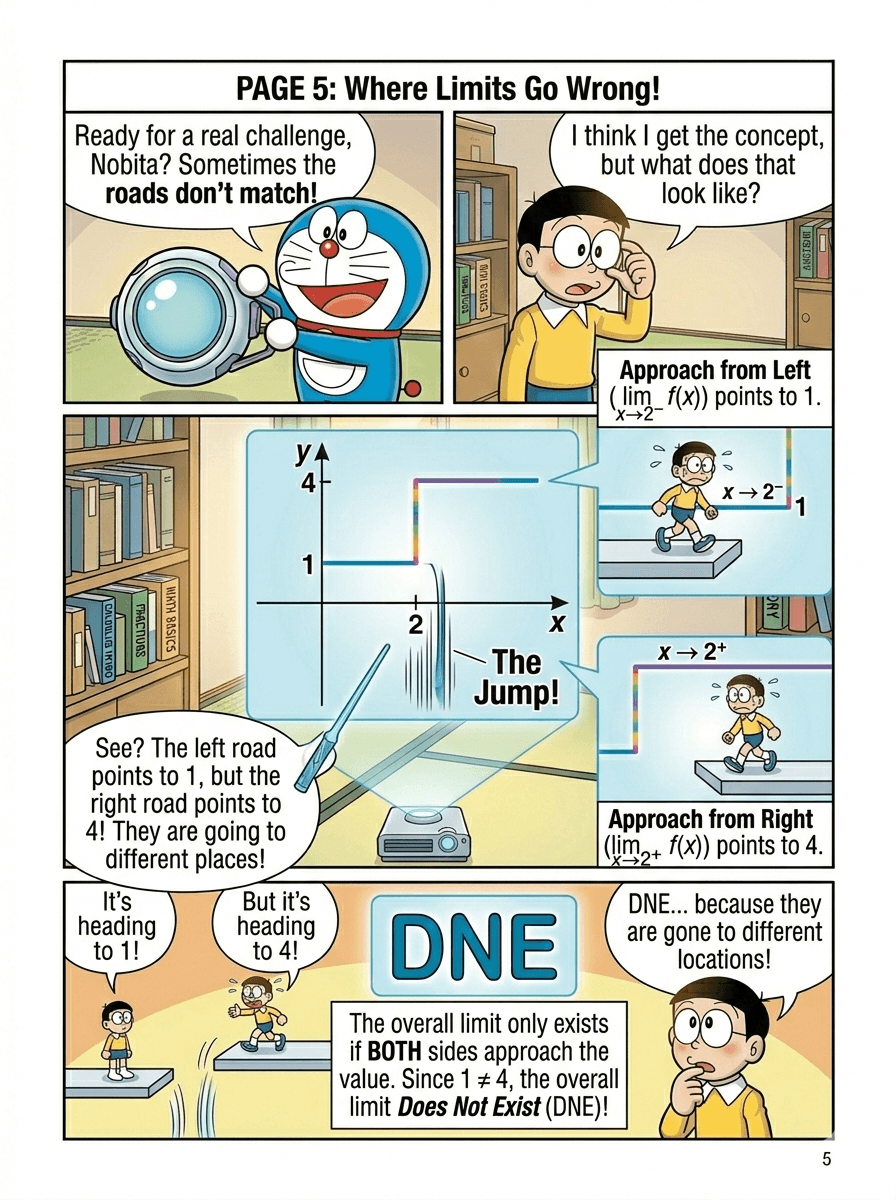
Under the hood, ComicLearn is a multi-agent pipeline. From your seat, it's three boxes and a button.
Paste a topic, a markdown outline, or a PDF chapter. The agent ingests it and pulls out objectives, key terms, and worked examples.
Source: topic · markdown · PDF
Claude writes the lesson plan and storyboard; a visual subagent illustrates six scenes. Every scene is QA-checked for character + concept consistency.
Lesson → Storyboard → Render → QA
Out comes a six-page comic book PDF from the hosted studio. Developer teams can still use the open-source repo to swap art styles, characters, or languages.
PDF · PNG · SVG · hosted studio
We've watched too many "AI tutors" generate beautiful nonsense. Every choice in ComicLearn is downstream of one question: will a real student understand this?
Every panel is reviewed by a visual QA subagent against the lesson's learning objectives. Failures auto-retry. No hallucinated calculus.
Start with the free SVG illustrator. Plug in Gemini Nano Banana 2 for photoreal manga, or wire your own model in ~40 lines.
Use original classroom characters, a school mascot, or student-created personas. Reference images can keep the cast consistent.
Tested on AP Calculus, AP Bio, US History, and 5th-grade fractions. The lesson agent adapts vocabulary to the reading level you set.
Six print-ready pages, a teacher key with discussion prompts, and a single-click PDF — drop it in Google Classroom and go.
The hosted beta keeps provider keys on the server. The MIT repo stays open for teams that want their own deployment.
These two AP Calculus units were generated end-to-end by ComicLearn. Nothing here is hand-drawn or hand-edited.
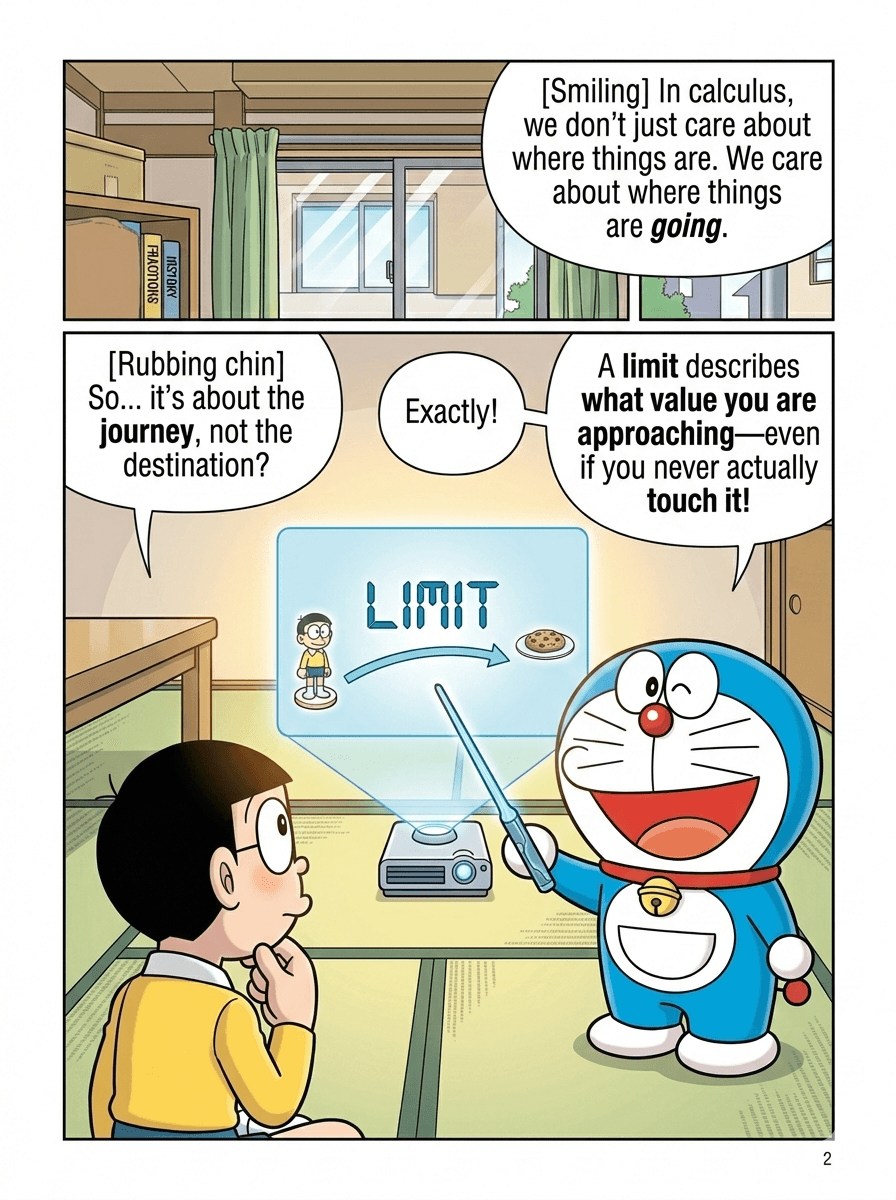
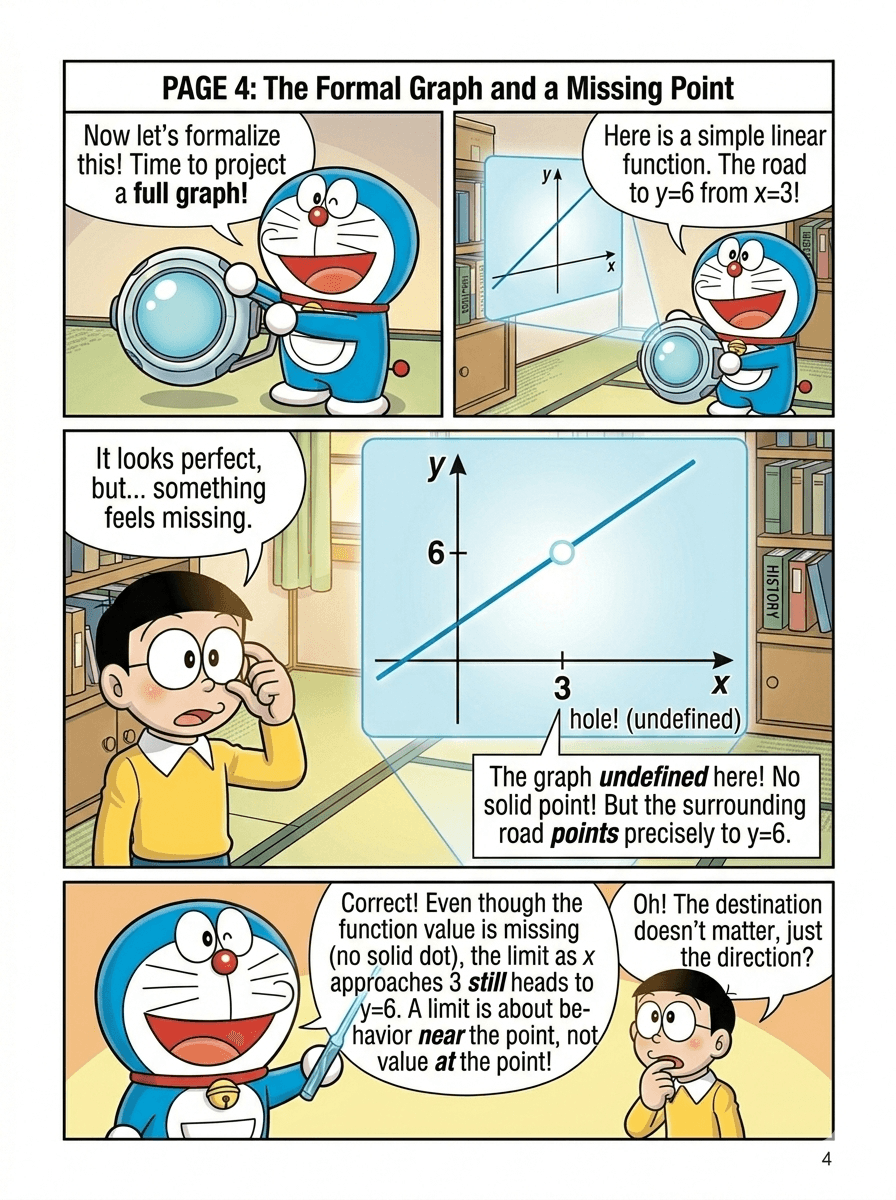
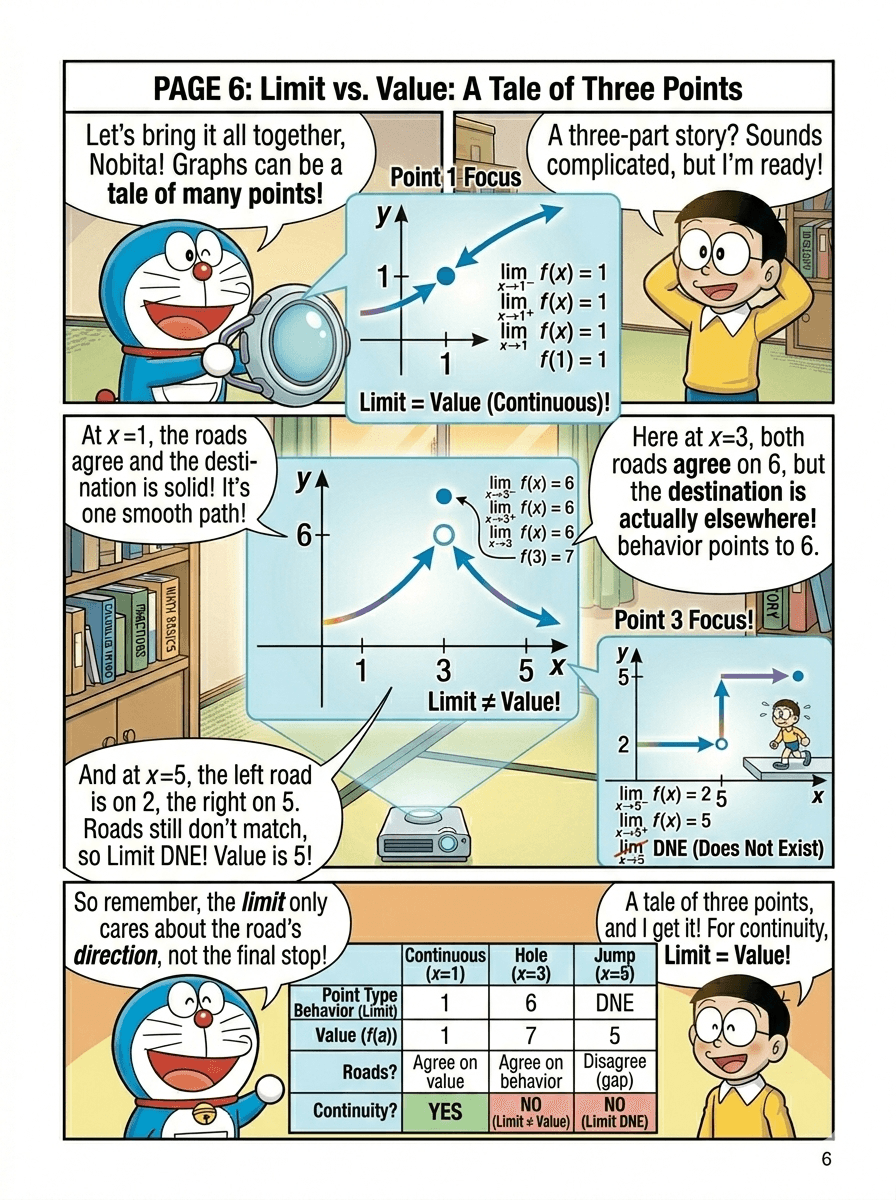
ComicLearn's public studio is the fastest path for teachers and learners. The GitHub repo is there for developers: every prompt, QA rubric, and panel renderer is visible, editable, and ready for PRs.
$ git clone https://github.com/xw2871-Andy/ComicLearn.git
$ cd ComicLearn
$ pip install -e ".[web]"
$ python run_web.py # → http://127.0.0.1:8000
Stars
Forks
Discord
Day-1 numbers · Help us flip them
ComicLearn isn't tied to one subject. If a textbook can be written, it can be drawn.
“Replace the 35-page PDF reading with six pages your students will actually do on the train.”
Calculus, Bio, Physics, US History — all covered.
“Turn a primary source — a Frederick Douglass speech, a Roman census — into a graphic novel for tomorrow's class.”
Reading-level slider keeps vocabulary on grade.
“Generate the same lesson in English, Spanish, and Mandarin from one prompt.”
Manga form makes new vocab stick.
“Custom lesson, custom character — your kid as the protagonist of their own chemistry textbook.”
Invite-only hosted studio, with provider keys kept server-side.
ComicLearn is being built in the open by teachers, students, and engineers who think learning should feel less like a textbook and more like a Saturday morning cartoon. Drop into Discord, file an issue, or send a pull request.
#welcome
Say hi · share what you teach
#show-and-tell
Post the comics you generated
#feature-requests
What should ComicLearn do next?
#help
Stuck on setup? We'll get you running.
§ 99 · One more thing
Open the hosted studio, register with your invite code, and generate a comic from a topic, markdown lesson, or textbook PDF.